-
🔍 Like our community? You can tell Google to show you results from this site more often. Just Click Here and click the empty checkbox on the right side of our name.
Buick Forums - The Buick Owners Group
As an Amazon Associate we earn from qualifying purchases.
What's on your mind?


Last fall I bought a 1998 Buick Century with only 57,000 miles from an old relative who rarely drove. The A/C and everything else worked perfectly last fall. But this spring I used the A/C and it wasn't blowing cold. I drove 10 miles home with the AC "on", and the second I get home and put it in park the radiator hose blew off soaking everything with coolant. I'm guessing the small pressure ripple caused the clamp to jump a tooth or something dumb) Nothing was broken, the top radiator hose simply popped off the engine barb. I refilled it and used the same hose, which was in perfect shape.
While trying to diagnose my A/C issues, I confirmed the fans DO turn on when I disconnect the coolant temp probe connector (ECU demands fans when it can't read the probe I've found out by testing). I jumpered the A/C clutch relay and it DOES engage the A/C compressor. The refrigerant has proper pressure (so not a leaked refrigerant issue). I cannot figure out why the ECU will not let the A/C system run. I even installed a new coolant temp sensor into the engine, no change.
The cooling fans never want to come on when the temp gauge goes over 50% (but temp never goes more than say 55% to red, (and evidently they don't come on until it is REALLY hot?), but the fans both work fine when the ECU demands them.
So I've been without A/C all summer. One time we accidentally left the A/C knob on "norm" for 20 minutes which heated up the antifreeze enough to cause a "low coolant" light to flash on the dash. I confirmed there was enough coolant, so I drained half, pulled the antifreeze level sensor, scrubbed the sensor prong itself (just a metal post) and reinstalled and refilled my coolant, burped it, went for a drive, and the low coolant light is ack on even though its full.
Another annoying quirk with this car is no trunk release, ONLY the keyfob button (never experienced that in any car, not even a glove box button). Also, when I push the door's LOCK switch, i have to hit it TWICE, it beeps once as if I have headlights on or something (I don't) and its warning me it doesn't want to lock on the first press... Is this normal behavior for this car?
I do NOT want to pay dealership prices to have this diagnosed, and am hoping someone here has more knowledge than I do, and have some input on my issues here relating to no A/C and heating up the coolant / false low level warnings. I thought I had scored a great condition car, but everything is spiraling down all of a sudden.
While trying to diagnose my A/C issues, I confirmed the fans DO turn on when I disconnect the coolant temp probe connector (ECU demands fans when it can't read the probe I've found out by testing). I jumpered the A/C clutch relay and it DOES engage the A/C compressor. The refrigerant has proper pressure (so not a leaked refrigerant issue). I cannot figure out why the ECU will not let the A/C system run. I even installed a new coolant temp sensor into the engine, no change.
The cooling fans never want to come on when the temp gauge goes over 50% (but temp never goes more than say 55% to red, (and evidently they don't come on until it is REALLY hot?), but the fans both work fine when the ECU demands them.
So I've been without A/C all summer. One time we accidentally left the A/C knob on "norm" for 20 minutes which heated up the antifreeze enough to cause a "low coolant" light to flash on the dash. I confirmed there was enough coolant, so I drained half, pulled the antifreeze level sensor, scrubbed the sensor prong itself (just a metal post) and reinstalled and refilled my coolant, burped it, went for a drive, and the low coolant light is ack on even though its full.
Another annoying quirk with this car is no trunk release, ONLY the keyfob button (never experienced that in any car, not even a glove box button). Also, when I push the door's LOCK switch, i have to hit it TWICE, it beeps once as if I have headlights on or something (I don't) and its warning me it doesn't want to lock on the first press... Is this normal behavior for this car?
I do NOT want to pay dealership prices to have this diagnosed, and am hoping someone here has more knowledge than I do, and have some input on my issues here relating to no A/C and heating up the coolant / false low level warnings. I thought I had scored a great condition car, but everything is spiraling down all of a sudden.
4 Replies
·
299 views

I recently bought new pads and rotors for my wifes 1996 Century. I have not been in the front brakes of this car yet. I did the rear several months ago. I replaced the drums, shoes, hardware, cylinders and brake lines.
Now I need to do the front and was hoping some of you guys could send me pictures of the mounting hardware. I would hate to pull off the wheel just to have to put it back on to go get more tools. I know you guys understand when I say I want the wife to feel like I know what I am doing, plus it would save me time. lol I am hoping they are hexhead, but I feel like it is going to be something I no longer have, like torx or allen.
Now I need to do the front and was hoping some of you guys could send me pictures of the mounting hardware. I would hate to pull off the wheel just to have to put it back on to go get more tools. I know you guys understand when I say I want the wife to feel like I know what I am doing, plus it would save me time. lol I am hoping they are hexhead, but I feel like it is going to be something I no longer have, like torx or allen.
9 Replies
·
434 views


I did the quick fix of the replacing the temperature sensor, I did not drain the whole system, just made sure to be ready to replace it seconds after taking the old one out and only lost maybe 2 to three cups max of coolant. I however doing that did want to make sure I topped it off and when I took off the radiator cap, saw a decent amount of orange brown sludge / gunk. Now I am thinking it would be best to do a coolant flush, or could I possibly by doing that make things worse off than just letting it stay? If I do, I have been reading a little, should I do the multi flush idea with distilled water for a couple until it's clear and then coolant or just change the coolant and be done with it or even just use the flush cleaner? And lastly, does anyone have a recommendation on what coolant is the best, I know the car did have its radiator replaced before I bought it and I do not think it's using the DEX anymore.
Thanks.
Thanks.
34 Replies
·
2359 views


I have a 01 and a 04 lesabre I noticed the pressure is at 130, and says normal. Is that normal?
7 Replies
·
230 views

Staff member
Lead Administrator
0 Replies
·
54 views
After 7 years I am now without a Buick Regal but I have some parts that could be useful to others. Before posting on Facebook group thought I'd give you all a shot at these:
2 steering wheels (stock, not GS) with buttons, from Essence trim so all button options - both in virtually new/very good condition, including the finish on buttons.
After market door handle cups, F and R,
1 set OEM floor mats with Regal on them,
1 set OEM floor mats with Avenir tag on the binding (very discreet)
1 set L & R New rocker panel covers for TourX (matt black plastic, never installed but kind of long so shipping might be pricey),
OEM TourX cross bars with keys, I bought used from owner who said he used them just a few time, I never had a chance to use them, they look pretty new
3D printed cell phone holder that was sold on Etsy for a while from forum member and the console tray from same vendor,
Canvasback full rear liner set for TourX with cargo flap - all black
2 OEM gauge clusters I removed when I swapped to GS cluster.
New gas pedal assembly (kept as spare, never had the issue)
New OEM Fuel door mechanism, newer design without electric lock
I'd prefer to bundle some of these if possible.. The big items like rocker covers and cross bars might be pricey to ship. Pickup or in Central Florida would be preferable.
PM me if interested
2 steering wheels (stock, not GS) with buttons, from Essence trim so all button options - both in virtually new/very good condition, including the finish on buttons.
After market door handle cups, F and R,
1 set OEM floor mats with Regal on them,
1 set OEM floor mats with Avenir tag on the binding (very discreet)
1 set L & R New rocker panel covers for TourX (matt black plastic, never installed but kind of long so shipping might be pricey),
OEM TourX cross bars with keys, I bought used from owner who said he used them just a few time, I never had a chance to use them, they look pretty new
3D printed cell phone holder that was sold on Etsy for a while from forum member and the console tray from same vendor,
Canvasback full rear liner set for TourX with cargo flap - all black
2 OEM gauge clusters I removed when I swapped to GS cluster.
New gas pedal assembly (kept as spare, never had the issue)
New OEM Fuel door mechanism, newer design without electric lock
I'd prefer to bundle some of these if possible.. The big items like rocker covers and cross bars might be pricey to ship. Pickup or in Central Florida would be preferable.
PM me if interested
3 Replies
·
151 views

Staff member
Lead Administrator
We all have those days where we just need a good laugh, so let’s get a dedicated discussion going for exactly that.
The rules are simple: If you see a picture, meme, or comic that makes you laugh, drop it here.
The rules are simple: If you see a picture, meme, or comic that makes you laugh, drop it here.
- Keep it within the forum rules (let's keep the completely Not Safe For Work stuff out of here).
- No politics or heavy drama - this is an escape from all of that!
- Context is optional. Sometimes a weird photo with no explanation is the funniest part.
17 Replies
·
1670 views


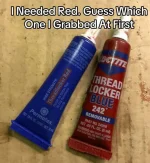


My fuel pump relay has burnt out twice in less then a week. What could be causing it to do that?
9 Replies
·
2272 views