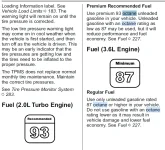
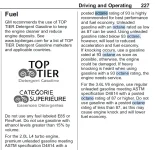
The manual calls for premium fuel, which is ridiculously priced, so I explored this option.
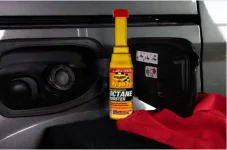
I have a friend who has a BMW 530i, fills the tank with regular gas, and adds a bottle of Fuel Octane Booster (each bottle will treat up to 20 US gallons which is about 75 Liters.). Using the Octane Booster is also cheaper than buying high octane gas at the pump with a 20-gallon gas tank. Filling up with premium gas would cost him approximately 20 dollars more per fill-up. No more knocking, pinging, or performance decline. Fill up with 89 then it turns it into 91 octane fuel. Raising it 2 full points. Looking at the price of this octane booster makes this a no-brainer. Works With All Unleaded Gasoline, Ethanol E10 E15 E85, and Racing Fuel. Great value & keeps the car healthy.
View attachment 36497
Premium fuel recommended list
Why Most Cars Can Run Low-Octane Fuel
The way engineers help you avoid pings and knocks is by using an octane sensor. This sensor detects the type of fuel you’re running and retards the spark timing in your engine so there’s little to no risk of detonation if fuel might be less stable than recommended.
The presence of this sensor in most cars built later than 1996 means that, if your car was built later than that year, you can run regular fuel without much fear of damage to your engine. The only possible exception would be that under heavy load, for example, and while pulling up a steep hill, you might still experience detonation, but mild detonation is not as detrimental as a full-blown knock.
The Downsides of Using Regular Gas in Your Regal
Filling up your Regal, or any other car, with premium gas can hurt your wallet. Depending on your Regal model, you can technically save money by using regular fuel, but it will come at a cost. Enjoying those savings now isn’t worth risking damage to your vehicle.
Most modern cars can run on regular gas, thanks to more electronic components, but this can place stress on parts including electronic knock sensors in your engine. These electronic components allow the engine to detect the type of gas it’s running on and adjust performance accordingly, avoiding damage to your engine.
Another downside of using regular fuel is that because it adjusts your engine’s performance, you’ll lose some of your car’s power and experience slower acceleration rates. This isn’t a huge loss, though. Most cars that are recommended to use premium but switch to regular gas will lose in the neighborhood of 10HP.


pub.emails.hertz.com